
Showing posts with label Worship. Show all posts
Showing posts with label Worship. Show all posts
Monday, 26 May 2014

Thursday, 13 March 2014
Islamic Manners of Du’a - آداب الدعاء
Duás favorable time:
Imam Ali (s) said: Seize the opportunity to pray at four occasions:
When Quran is being recited, when athan is being recited, when it is raining and when the two armies meet for martyrdom.
في الأوقات المرجوة لاستجابة الدعاء
عن أمير المؤمنين (ع) قال : اغتنموا الدعاء عند أربع .. عند قراءة القرآن ، وعند الأذان ، وعند نزول الغيث، وعند التقاء الصفين للشهادة .ق
Imam Jafer al-Sadiq (s) said: When you feel you are being compassionate seize the opportunity to pray, for a compassionate heart asks sincerely.
عن أبي عبد الله (ع) قال: إذا رق أحدكم .. فليدع ، فإن القلب لا يرق حتى يخلص
Imam al-Baqir (s) said: Almighty Allah favors every hard praying servant. So seize the opportunity to pray just before daybreak until sunrise; it is a time in which heaven’s gates are opened, subsistence is distributed and major prayers are granted.
عن أبي جعفر الباقر (ع) قال : إن الله عز وجل يحب من عباده المؤمنين كل عبد دعاء ، فعليكم بالدعاء في السحر إلى طلوع الشمس فإنها ساعة تفتح فيها أبواب السماء ، وتقسم فيها الأرزاق، وتقضى فيها الحوائج العظام
Saturday, 11 May 2013
Knowing Allah, His Greatness and His Grace
قالَ رَسُولُ الله (ص) :
اَيّهَا النّاسُ اِنّهُ لا نَبِيَّ بَعدي وَ لا اُمّةَ بَعدَكُم ألا فَاعبُـدُوا رَبّكُـم وَصَلّوا خَمسَكُم وَصُومُوا شَهرَكُم وَ حِجُّـوا بَيتَ رَبِّكُم وَ اَدّوا زَكوةَ اَموالِكُم طيّبَةً بِها اَنفُسُكُم وَ اَطيعُوا وُلاةَ اَمرِكُم تَدخُلُـوا جَنّةَ رَبِّكُم
الخصال/322
The Holy Prophet [p.b.u.h.] said: "O' people! Verily, there is no prophet after me, nor any Ummah after you (Muslims). So, take care to worship your Lord, perform your five ritual prayers, fast in the appointed month (Ramadan), make pilgrimage to the House of your Lord (Mecca), give the alms of your wealth in order to purify your souls thereby, and obey the Holders of Authority, so that you enter the Paradise of your Lord."
Khisal-al-Saduq, p. 152
قالَ الا ِمامُ اَميرُالمُومنينَ عَلِيّ (ع) :
عِظَمُ الخالِقِ عِندكَ يُصَغِّرُ المَخلُوقَ في عَينك
نهج البلاغه الكلمات القصار 129
Imam Amir-ul-Mu'mineen Ali [a.s.] said: "Having the Greatness of the Creator in your mind would make you realize the insignificance of the creatures in your view."
Nahjul-Balagha, Statement 129
قالَ الا ِمامُ اَميرُالمُومنينَ عَلِيّ (ع) :
طُوبى لِمَن اَخلَصَ لِلّهِ عَمَلَهُ وَ عِلْمَهُ وَ حُبّهُ وَ بُغْضَـهُ وَ اَخْذَهُ وَ تَرْكَهُ وَ كَلامَهُ وَ صَمْتَهُ وَ فِعْلَهُ وَ قَوْلَهُ
بحارالانوار/77/289
Imam Amir-ul-Mu'mineen Ali [a.s.] said: " Blessed is he who sincerely devotes the entirety of his actions, knowledge, love, hatred, receiving, relinquishing, speech, silence, deeds, and statements absolutely to Allah."
Bihar-ul-Anwar, vol. 77, p. 289
قالَ الا ِمامُ الصّـادِقُ (ع) :
اَلقَلبُ حَرَمُ الله فَلا تُسكِنْ حَرَمَ اللهِ غَيرَ اللهِ
بحارالانوار/70/25
Imam Sadiq [a.s.] said: "The heart is the sanctuary of Allah, therefore, do not settle therein anything but Allah (The sacred place of the heart belongs to and Him alone. Therefore, keep the love of the world out of it.)
Bihar-ul-Anwar, vol. 70, p. 25
قالَ الا ِمامُ الصّـادِقُ (ع) :
شيعَتُنَا الّذينَ اِذا خَلَوا ذَكَرُوا اللّهَ كَثيرًا
بحارالانوار/93/162
Imam Sadiq [a.s.] said: "Our true followers are those who, when they are alone, remember Allah abundantly." (That is, they avoid committing vices in private where there is no barrier for them to commit sin by the mere remembrance of Allah.)
Bihar-ul-Anwar, vol. 93, p. 162
قالَ الا ِمامُ البـاقِرُ (ع) :
لا وَاللهِ ما اَرادَ اللّهُ تَعالى مِنَ النّاسِ إلّا خَصلَتَينِ: اَن يُقِرّوا لَهُ بِالنِّعَمِ فَيَزيدَهُم وَ بِالذُّنُوبِ فَيَغفِرَها لَهُم
الكافي/2/426
Imam Baqir [a.s.] said: "By Allah, He, the Exalted, expects of people but two traits: that they confess for Him the blessings in order that He increases His bounties for them; and that they make confessions about their evil actions and then He forgives those sins for them."
Al-Kafi, vol. 2, p. 426
قالَ الا ِمامُ الحُسَينُ (ع) :
اِنّ اللّه جَـلّ ذِكـرُهُ ما خَلَـقَ العِبـادَ إلّا لِيَعرِفُـوهُ فَـاِذا عَرَفـُوهُ عَبَـدُوهُ, فاِذا عَبَدُوهُ اِستَغنَوْا بِعِبادَتِهِ عَن عِبَادَة ما سِواهُ
سفينةالبحار/2/180
Imam Husayn ibn Ali [a.s.] said: "Verily, Allah, the Exalted, has not created human beings except for recognizing Him and worshipping Him as (the consequence of) knowing Him; and when they worship Him they would lack the need of adoring any human being (or things) other than Him because of that worship."
Safinat-ul-Bihar, vol. 2, p. 180
قالَ الا ِمامُ عَلِيّ بنُ الحُسَينِ (ع) :
لا يُهلَكُ مُؤمِنٌ بَينَ ثَلاثِ خِصـالٍ: شَهـادَةِ اَن لا اِلهَ إلّاَ اللهُ وَحدَهُ لا شَريك لَهُ, وَ شَفاعَةِ رَسُولِ الله, وَ سِعَةِ رَحمَةِ الله
سفينةالبحار/517
The fourth Imam, Ali ibn Husayn [a.s.] said: "There is no destruction (Hell) for a believer having three qualities:
Confessing that there is no god besides Allah, the One Who has no partner; the intercession of the Messenger of Allah and the vastness of the Grace of Allah.
Safinat-ul-Bihar, p. 517
Lesson 2; Death part 1 of 5
One of the fearsome stages of the Hereafter is the grave, which calls out daily: “I am the abode of loneliness, I am the house of terror, I am the home of worms”.
Terror of the Grave
It is quoted in Man La Yahzaruhul Faqih, that when a dead body is brought for burial, it should not be buried immediately. For there is no doubt that the terror of the grave horrifies the dead person, and he seeks refuge from Allah's wrath. The dead body should be laid to rest for sometime far from the grave, so that it prepares itself, and gets accustomed to it. Again one should stop and then take it to the grave. Allamah Majlisi while commenting on the above, says that even though the spirit is separated from the body, it is still maintains relation with it, and remains somewhat attached to it. The darkness & loneliness, questioning by ‘Munkir & Nakeer’, Squeezing in the grave (Fishar), and the chastisement in hell are some of the frightful stages. Hence it is necessary for man to take lessons from a dead man's state, and reflect upon it, because one day he himself will have to pass through these stages. Yunus narrates that one day he asked Imam Moosa-al-Kazim (A.S.) that, “Whenever I think about the door of a house, the house becomes narrow in my sight, why is it so”? Imam (A.S.) replied, “It is so because whenever you take a dead body for burial, you should lay it to rest for sometime near the grave, so that the dead person may ready itself to enter there in, and collect strength to answer the questions of ‘Munkir’ & Nakeer’”.
Bara bin Azib, one of the companions (Ashab) of the Holy Prophet (S.A.W.S) says that one day I was in the presence of the Prophet, when we saw a group of people gathered. The Holy Prophet (S.A.W.S) asked them as to why they had gathered? They replied that they had gathered to dig a grave. As soon as the Prophet heard the name of the grave, he hurried towards it and sat on one side of the grave. I sat on the other side facing him so as to get a clear view of what he did. I saw that the Prophet (S.A.W.S) started weeping bitterly so much so that his face became wet, then he looked at us and said, “O my brothers! Prepare yourselves for this house”.
Shaikh Bahai says that at times he saw many kings and rulers regretting their sins and wailing over their lives while dying. The Shaikh asked one such person who was about to die as to what was the reason for such regret. The dying king replied, “What do you have to say about the person who is proceeding for a journey without having gathered any provisions for it, and devoid of a helpful companion. He is stopped on the way in a horrifying grave, to be produced later before the Almighty Ruler, without having any goodness in store”.
Allamah Qutubuddin Rawandi says, that after the death of Hazrat Maryam (A.S.), her son Prophet Isa (A.S.) called her, “O mother! Please speak to me, and tell me whether you are desirous of returning back to this world”. Hazrat Maryam (A.S.) answered, “Yes, I desire to return back, so that during the cold winter nights I could recite Namaz, and during the hot summer days I could fast. O my dear! Verily the way to the hereafter is very difficult.”
It is narrated that when the last moments of Hazrat Fatema (A.S.) neared, She called Amirul Mo'meneen Ali (A.S.) and said, “When I die, you bathe me, shroud me, pray Namaz over my dead body, and bury me. When you do so, sit near my grave for sometime and recite the Holy Qur'an, and pray for my forgiveness. For verily after death the dead person relies totally on the prayers (dua's) and affection of the living ones”.
When Hazrat Fatema binte Asad (the mother of Hazrat Ali) died, Amirul Mo'meneen (A.S.) came weeping to the Holy Prophet (S.A.W.S) and gave Him the new of her death. The Prophet was grieved and said, “My mother has died”. History bears witness that she had brought up the Prophet affectionately like a mother. The Prophet (S.A.W.S) gave her his own gown for the shroud (Kafan), and Himself lay in the grave for sometime before burying her. After burying her, he stood near the grave and called out: “Your son, your son, not Aqeel, nor Ja'far”. People were surprised and asked him the reason for uttering these words. The Holy Prophet (S.A.W.S) replied that, “One day we were discussing about Qayamat, and I said that on that day people will be come out of their graves in a state of nakedness. My aunt (Fatema binte Asad) started crying, so I assured her that I would give her my own gown for shroud, so she would not have to face that humiliation. She was scared of the squeeze in the grave (Fishare Qabr) , so I lay myself in her grave so as to save her from this too. After burying her, Munkir & Nakeer came to question her. They asked her about her Lord, she replied that Almighty Allah was her Lord. Then they asked her about Prophet hood (Nabuwwah), she bore testimony that I was Allah's Apostle. But when they questioned her about her Imam, she was a bit confused. Hence I called out to her that “Your son, your son, not Aqeel nor Ja'far (but Ali)”. Fatema binte Asad was a distinguished lady, who had the honor of giving birth to a son like Ali (A.S.), and herself remaining in the Ka'bah for three days as Allah's guest. She was the second woman who accepted the Prophet hood of the Holy Prophet (S.A.W.S) the first being Hazrat Khadija (A.S.) even then she was fearful of the hereafter and wept. And we being sinful have forgotten our end, and do not take account of our deeds, but are averse to the terror of the hereafter.
Sayyed ibne Tawoos relates from the Holy Prophet (S.A.W.S) that he said that the first night is the most fearful and difficult for the dead person, hence give Sadqa for his safety. If you do not have to give anything as ‘Sadqa’ then recite two unit (Rak'at) Namaz: In the first Rak'at after Surah-al-Hamd recite twice Surah-at-Tawheed, and in the second Rak'at after Surah-al-Hamd recite ten times Surah-at-Takasur. After finishing the Namaz recite the following dua:
اَللّهُمَّ صَلِّ على مُحَمَّدٍ وآلِ مُحَمَّدٍ وابْعَثَ ثَوابَها اِلى قَبْرِ ذِلِكَ المَيِّتِ فُلان بن فُلان.
(here take the name of the dead man)
Allah will immediately send one thousand Angels to the grave of the dead person with attires of Paradise, and expand his grave till Qayamat. And for the one who recites this Namaz, Allah will offer him great rewards and exalt his position forty times.
The other Namaz to be recited on the first night of burial is as follows: Two Rak'at Namaz is to be recited, in the first Rak'at after Surah-al-Hamd recite once Ayatal Kursi, and in the second Rak'at after Surah-al-Hamd recite ten times surah-al-Qadr. After finishing Namaz say:
اَللّهُمَّ صَلِّ على مُحَمَّدٍ وآلِ مُحَمَّدٍ وابْعَثَ ثَوابَها اِلى قَبْرِ فُلان
(here take the name of the deceased person).
My teacher Allamah Mirza Husain Noori (may Allah exalt his position) quotes in his book Darus Salaam from his teacher Haj Fath Ali Sultanabadi that he said: It was my routine that whenever I heard about the death of follower (Shi'ah) of Ahlulbait (A.S.), whether known or unknown to me, I recited (the above stated) Namaz, and this was not known to anyone else except myself. One day I met one of my friends who told me that the previous night he saw in a dream a Shi'ah who had died some days ago. May friend asked him as to how his state was. He replied that he was in deep trouble facing the consequences of his deeds, till one so and so (he took my name) person recited Namaz for him. He said that, “May Allah bless his father, he rescued me from severe chastisement”. My friend asked me regarding the Namaz and I had to tell him.
Those deeds which are beneficial for warding off fear of the Grave.
One of them is performing Ruku' with entire recitation. Imam Mohammad-al-Baqir (A.S.) says, that a person reciting entire recitation of Ruku' in Namaz will be saved from the fear of the grave. And one who recites.
لا إلهَ إلاّ اللهُ المَلِكُ الحَقُّ المُبينُ
100 times daily, will be saved from anxiety in the grave, will become prosperous and the doors of Paradise will be opened for him. It is also related that the person who recites Surah-al-Yaseen before going to bed, and the following Namaz (Namaze Laylatur Raghaib), he will be saved from the terror of the grave. The first night of the month of Rajab is known as Laylatur Raghaib.
The Holy Prophet Mohammad (S.A.W.S.) used to fast on the first Thursday of the month of Rajab, and between Maghrib and Isha Prayers recite twelve Rak'at Namaz (in si sets of two units) as under:
In every Rak'at after Surah-al-Hamd recite three times Surah-al-Qadr and twelve times Surah-an-Naas. After Salaam recite seventy times:
اَللّهُمَّ صَلِّ على مُحَمَّدٍ النَّبيِّ الأمِّي وَعلى آلِهِ
Then go into prostration (Sajdah) and say seventy times:
سُبُّوحٌ قُدُّوسٌ رَبَّ المَلائِكَةِ والرُّوحِ
Then sit erect and say seventy times:
رَبِّ اغْفِرْ وَارْحَمْ وَتَجاوَزْ عَمَّا تَعْلَمُ إنَّكَ أنْتَ العَليُّ الأعْظَمُ
Then again go into Sajdah and say seventy times:
سُبُّوحٌ قُدُّوسٌ رَبَّ المَلائِكَةِ والرُّوحِ
It has been related that a person who fasts for twelve days in the month of Sha'ban, Allah will send seventy thousand Angels daily to his grave. And if a person visits an ailing man, Allah appoints an Angel for him who accompanies him in his grave till Qayamat.
Abu Sa'eed Khudri says, that he heard the Holy Prophet (S.A.W.S) telling Amirul Mo'mineen Ali (A.S.), “O Ali! Give glad tidings to your Shi'ahs that their death will be eased, and they will be saved from the terror of the grave and Qayamat”.
Narrowness of. and Squeeze in the Grave (Fishare Qabr).
This event is so horrifying, that it makes a person shiver with fright in this very world. Amirul Mo'meneen Ali (A.S.) says: “O the servants of Allah! The state in the grave of a person whose sins are not forgiven is more horrifying than death it self. Fear it's (grave's) narrowness, it's squeezing, it's imprisonment and it's loneliness. Verily the grave calls out daily: I am the house of loneliness, of terror and worms. Grave is like a garden of Paradise for a good doer, while it is like a dungeon of hell for the evil doer. Allah tells His enemies that He will send ninety nine serpents in their graves, who will tear their flesh and smash their bones, and this punishment will continue till the outbreak of Qayamat. If one of the serpents exhales towards this earth, all plants and trees will be destroyed. O servants of Allah! Your souls are tender, and your bodies delicate, you cannot confront any ordinary serpent of this world, how then will you face them”. It is related that Imam Ja'far-as-Sadiq (A.S.) used to get up daily in the middle of the night and call out in a loud voice so that everyone in the house could hear, and would say:
اللّهُمَّ أعِنِّي عَلى حَوْلِ المُطَّلَعِ وَوَسِّعْ على ضِيقِ المَضْجَعِ وَارْزُقْني ما قَبلَ المَوتِ وارْزُقني خَيرَ ما بَعدَ المَوتِ.
One of his (A.S.)'s Supplication (Du'a) is also stated:
اللّهُمَّ بَارِكْ لي في المَوتِ اللّهُمَّ أعِنّي على سَكَراتِ المَوتِ اللّهُمَّ أعِنّي على غَمِّ القَبْرِ اللّهُمَّ أعِنّي على ضَيْقِ القَبْرِ اللّهُمَّ أعِنّي على وَحْشَةِ القَبْرِ اللّهُمَّ زَوِّجْني مَنَ الحُورِ العِينِ.
Monday, 6 May 2013
Worship in Looking
قَالَ رَسُولُ اللٌّهِ )ص): نَظَرُ الْوَلَدِ إِلَى وَالِدَيْهِ حُبّاً لَهُمَا عِبَادَةٌ.
The Messenger of Allah (saws) has said: “The look of a child towards his parents out of love for them is an act of worship.”
Biharul Anwar, Volume 74, Page 80
Saturday, 4 May 2013
Recommended Salaa't on Friday
Friday evening Salat
Regarding the prayer for Friday eve the Messenger of Allah (s.a.w.a.) said: If one recites two rakat prayers and in each rakat after Surah Hamd recites Surah Tawheed 70 times and after the prayer recites Astaghfirullaah 70 times, then by the One Who has sent me with truth anyone who performs this act and does Isteghfar then even if he supplicates for my whole nation the Almighty would accept his supplication and would enter the whole nation in Paradise.
Salaat 2 for Friday
It is related from Amirul Mo-mineen (a.s.) that one who recites this day eight-rakat prayer in the forenoon the Almighty elevates him a thousand levels in Paradise.
The prayer for Friday is four rakats. In each rakat after Surah Hamd recite Ayatul Kursi 15 times and after the prayers recite Astaghfirullaah 70 times and 'Laa hawla wala Quwwata illa billa' 50 times.
Salaat 3 for Friday
It is narrated from the Messenger of Allah (s.a.w.a.) that one who recites four rakats prayer on Friday and in each rakat after Surah Hamd recites Surah Mulk and Surah Ha Mim the Almighty would admit him into Paradise and would accept his intercession for his family members and keep him safe from the squeeze of the grave and the punishment of Qiyamat.
The narrator asked the Messenger of Allah (s.a.w.a.) regarding the time of these prayers. He (s.a.w.s.) replied: After sunrise and before noon. That is in between the two.
We should know that all these prayers for the days of the week are narrated from Imam Hasan al-Askari (a.s.) and he has quoted from his forefathers.
Saturday, 20 April 2013
General Islamic codes: Hajj; The Pilgrimage to Mecca

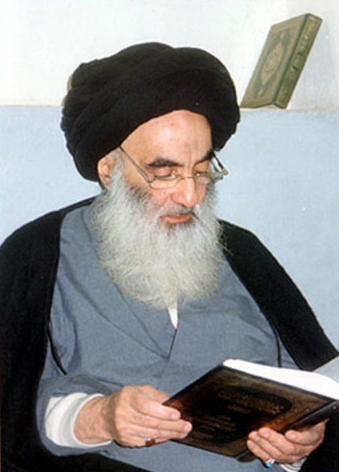
From the rulings of Grand Ayatullah Sayed Ali Hussaini Al-Seestani
When a Muslim becomes capable, hajj becomes obligatory upon him. By “capability” we mean the following:
- Availability of enough time to travel to the holy places and stay there for performing the obligatory rites.
- Physical health and strength, observing to travel to the holy places, and staying there for the obligatory rituals.
- The road through which one has to pass for performing the rituals be open and secure, in the sense that it does not place the life or property or honor of the pilgrim in undue danger.
- Financial ability: One should be able to get whatever is necessary for the pilgrim in his journey; e.g., food, drink, clothes, including the means of transportation according to his status by which he can cover the distance for hajj.
- The financial position of the person should be such that by travelling for hajj or by spending from his wealth for it, he would not be putting himself and his dependents in need and poverty.
(a) Putting on the pilgrim’s dress (ihrãm) from one of the miqãts. Mawãqít (plural of miqãt) are locations [around the holy territory of Mecca] that sharí‘a has specifically fixed for putting on theihrãm.
Circumambulating (tawãf) around the Ka‘ba seven times.
The salãt of tawãf.
Sa‘i (i.e., brisk walking) between the hills of Safa and Marwa seven times.
Taqsír: cutting off a little bit of your hair or cutting the nail.
The obligatory acts of hajj tamattu‘ are thirteen as follows:
Sunday, 14 April 2013
Who's a true Shia? Hadith 13
Imam Sadiq has said: “A person who would like to be among the companions of al-Qaem, he should be in a state of waiting and perform all of his actions with piety and with the most beautiful etiquette and
only then will one be counted as being in the state of waiting.” (28 29)

______________________
28 Intezar is a spirit of zeal and keen desire for the advent, governance and living
along side with the Ahlul-Bait. It is the detestation of the current state which we
are in – times of imperfection, corruption, perversity and degeneration of our
surroundings.
29 Al Ghaibah by No’mani, pg 200
Tuesday, 9 April 2013
A Hateful Look
عَنْ أَبِي عَبْدِ اللٌّهِ )ع) قَالَ: مَنْ نَظَرَ إِلَى أَبَوَيْهِ نَظَرَ مَاقِتٍ وَ هُمَا ظَالِمَانِ لَهُ لَمْ يَقْبَلِ اللٌّهُ لَهُ صَلاَةً.
Imam as-Sadiq (as) has said: “Allah shall not accept the prayers of a person who looks at his parents with hatred, even if they have been unfair to him!”
Al-Kafi, Volume 4, Page 50
Saturday, 6 April 2013
Imam Sadiq (as) talking more on Bondage
Bondage is an essence, the inner nature of which is lordship (rububiyah).
Whatever is missing in bondage is found in lordship, and whatever is
veiled from lordship is found in bondage. As Allah said,
We will soon show them Our signs in the universe and in their own
souls, until it will become quite clear to them that it is the truth. Is it
not sufficient as regards your Lord that He is a witness over all
things? (41:53)
This means He exists both in your absence and in your presence.
Bondage means ridding oneself of everything, and the way to obtain this
is to deny the self what it desires and to make it bear what it dislikes. The
key to this is abandoning rest, loving seclusion and following the path of
recognition of the need for Allah.
The Holy Prophet [s] said, 'Worship Allah as if you see Him. Even if
you do not see Him, He sees you.'
The letters of the Arabic word for 'bondsman' ('abd) are three; 'ayn, ba'
and dal. The 'ayn is one's knowledge ('ilm) of Allah. The ba' is one's distance
(bawn) from other than Him, and the dal is one's nearness
(dunuw) to Allah with the restriction of neither contingent qualities nor
veil.
The principles of conduct have four aspects, as we mentioned at the
beginning of the first chapter.
Friday, 5 April 2013
Lesson 1; Death part 4 & last 5
Those A’mal which prove beneficial during death and eases it’s tribulations:
Reciting Surah-al-Yaseen, Surah-as-Saffat and the following supplication (du'a) eases the tribulation during death:
لا إلهَ إلاّ الله الحَليمُ الكَريمُ. لا إلهَ إلاّ الله العَلِيِّ العَظيمُ. سُبْحانَ اللهِ رَبِّ السَّمواتِ السَّبْعِ وَرَبِّ الأرَضينَ السَّبْعِ وَما فِيهِنَّ وَما بَيْنَهُنَّ وَما فَوقَهُنَّ وَما تَحتَهُنَّ وَهوَ رَبُّ العَرشِ العَظيمِ وَالحَمدُ للهِ رَبِ العالَمينَ.
Shaikh Sadooq narrates from Imam Ja'far-as-Sadiq (A.S.) that he said, “For the person who fasts on the last day of the month of Rajab, Allah will save him from the after effects of death”. Fasting on the 24th of Rajab carries great reward (Sawab). One of it's merits is that when the Angel of death comes to remove his spirit (Rooh), he comes in the form of a handsome youth carrying a bowl of the pure drink (Sharabe Tahoora) and offers him to drink. The dying person does so and dies in peace.
The Holy Prophet (S.A.W.S.) says that if a person recites four unit (Rak'at) Namaz on the night of 7th Rajab in a manner that in each unit (Rak'at) after Surah-al-Hamd recites thrice Surah-at-Tawheed, once Surah-al-Falaq, and once Surah-an-Naas. After finishing the Namaz, sends Salawat on Us and recites ten times Tabeehate Arba.
سُبْحانَ اللهِ وَالحَمدُ للهِ وَلا إلهَ إلاّ اللهُ واللهُ أكْبَرُ
Almighty Allah will offer him shelter under the Throne (Arsh), and give him reward of a person fasting in the month of Ramazan. Till the time he finishes the prayers, the Angels pray for his forgiveness. Allah will ease the pangs of death on him, and save him from the squeeze in the grave (Fishare Qabr). He will not die until he sees his place in Paradise, and will be safe from the hardships of Resurrection (Qayamat).
Shaikh Kaf'ami quotes from the Holy Prophet (S.A.W.S.), that he said that a person who recites the following supplication (Du'a) 10 times daily, Allah ill forgive four thousand major sins (Gunahane Kabeera) of his, offer him refuge from one lac calamities at the time of death, the squeeze in the grave (Fishare Qabr) & Qayamat. Allah will also save him from satan (shaitaan) and his army, will pay off his dues and save him from troubles and anxieties.
أعْدَدْتُ لِكُلِّ هَولٍ لا إلهَ إلاّ اللهُ وَلِكُلِّ غَمٍّ وَهَمٍّ ما شاءَ اللهُ وَلِكُلِّ نِعْمَةٍ اَلحَمْدُ للهِ وَلِكُلِّ رَخاءٍ الشُّكرِ للهِ وَلِكُلِّ اُعْجُوبَةٍ سُبْحانَ اللهِ وَلِكُلِّ ذَنْبٍ اَسْتَغْفِرُ اللهَ وَلِكُلِّ مُصيبَةٍ إنّا للهِ وإنّا إلَيْهِ رّاجِعونَ وَلِكُلِّ ضَيْقٍ حَسْبِيَ اللهُ وَلِكُلِّ قَضاءٍ وَقَدَرٍ تَوَكَّلْتُ عَلى اللهِ وَلِكُلِّ عَدُوٍّ اِعْتَصَمْتُ باللهِ وَلِكُلِّ طاعَةٍ وَمَعْصِيَةٍ لا حَولَ ولا قُوَّةَ إلاّ بِاللهِ العَلِيِّ العَظيمِ.
The recitation of the following du'a seventy times carries great reward. The least of which is that he will be given glad tidings that he will enter Paradise
يا أسمَعَ السَّامِعينَ وَيا أبْصَرَ المُبْصِرينَ ويا أسْرَعَ الحاسِبينَ وَيا أحْكَمَ الحاكِمينَ
Shaikh Kulaini relates from Imam Ja'far-as-Sadiq (A.S.) that he said that the one who recites Surah-az-Zilzal in the Supererogatory Prayers (Nafela), Allah will save him from earthquake, lightening and the calamities of the land and sky. And during death He will send this Surah in the form of a handsome youth who will sit besides him and request the Angel of death (Malekul Maut to remove his spirit with ease.
Turning away from the Right path during death.
It means that a person should turn away from the Right Path (Sirat-al-Mustaqeem) during death. At the time of death satan (shaitaan) comes to the dying man adn tries his best to deceive him and puts him in doubt, so as to turn him away from faith (Eeman). Fakhr Muhaqqeqeen says that, “A person who wishes to remain safe from the mischief of shaitaan at the time of death should preserve five proofs regarding the fundamental principals of faith (Usoole Deen) in his mind, and present it to Allah's custody, so that during death these may come as a handy against shaitaan's deceit. Then he should recite the following supplication (du'a):
اَللّهُمَّ يا أرْحَمَ الرّاحِمينَ إنّي قّدْ أوْدَعْتُكَ يَقينِي هذا وَثَباتَ دِيني وأنْتَ مُسْتَودع وقَدْ أمَرْتَنا بِحِفظِ الوَدائِعَ فَرُدَّهُ عَلَيَّ وَقْتَ حُضُورِ
مَوْتي.
Fakhrul Muhaqqeqeen also says that those who wish to reamin safe from shaitaan's mischief of abandoning faith during death, should recite dua'e Adeelah with a pure mind and heart. (Du'ae Adeelah is found in all the renowned books of du'as, and also in the first volume of Mafateehul Jinaan by the same author).
Shaikh Toosi relates from Mohammad b. Sulayman Daylami that I asked Imam Ja'far-as-Sadiq (A.S.) that, “Some of your faithful followers (Shi'ahs) say that faith (Eeman) is of two types: (1) Permanent & firmly established, and (2) One which has been given to us as a trust, and also can be ruined. Please give me a du'a by which my faith may also become permanent and first established.” Imam (A.S.) told him to recite the following du'a after every obligatory prayers (Wajib Namaz):
رَضِيتُ بِاللهِ رَبّاً وَبِمُحَمَّدٍ صَلّى اللهُ عَلَيهِ وآلِهِ نَبِيَّاً وبِالإسْلامِ دِيناً وبِالقُرآنِ كِتاباً وَبِالكَعْبَةِ قِبْلَةً وبِعلِيٍّ وَلِيّاً وإماماً وبِالحَسَنِ والحُسَينِ وعَلِيّ بنِ الحُسَينِ ومُحَمَّدِ بنِ عَليٍّ وجَعْفَرِ بنِ مُحَمَّدٍ وَمُوسى بْنِ جَعْفَرٍ وعَليِّ بْنِ مُوسى ومُحَمَّدِ بْنِ عليِّ وعَليِّ بْنِ مُحَمَّدٍ والحَسَنِ والحُجَّةِ بْنِ الحَسَنِ صَلَواتُ اللهِ عَلَيْهِمْ أئِمَّةً اللّهُمَّ إنّي رَضيتُ بَهِمْ أئِمّةً فارْضِني لَهُمْ إنَّكَ
علي كُلِّ شَيءٍ قَدير.
Those acts which prove beneficial during death.
The best deed is to perform Prayers (Namaz) on time. It is related that there is no person in the east or the west on whom the sight of the Angel of death (Malekul Maut) does not fall at least five times during the time of Prayers. Whenever the time of death of that person comes, the Angel of death (Malekul Maut) recognizes him and helps him to recite Kalema and shuns away satan (shaitaan) from him. It is narrated that once Imam Ja'far-as-Sadiq (A.S.) wrote to a person: “Do you wish that you may face death while on the Right path? And do you wish that your spirit (Rooh) may be removed from your body while you be performing good deeds? Then hold Allah's orders dear to yourself and obey them, and do not waste the bounties offered by Him by being disobedient to Him, and do not take undue advantage of His Mercy, nor become arrogant. Honour those who follow Us and respect those who love Us”.
The recitation of Dua-e-Tamjeed (Du'a No. 11) of ‘Saheefae Kamelah’ is beneficial, so as to die while on the Right path and to be saved from turning away from it.
To recite the following supplication (dua) in the Namaz of sundays in the month of Zilqad:
رَبَّنا لا تُزِغْ قُلُوبَنا بَعْدَ إذْ هَدَيْتَنا وَهَبْ لَنا مِنْ لَدُنْكَ رَحْمَةً إنَّكَ أنْتَ الوَهّابُ
The other beneficial acts are: To always recite Tasbeehe Fatema (A.S.) (34 times Allaho Akbar, 33 times Alhamdo Lillah, and 33 times Sub-hanallah), to wear ar ring of Cornelian (Aqeeq, specially of red color), it is better if the following is engraved on it: “Mohammadun Nabiyyullahe wa Aliyyun Waliyyullahe”. To recite Surah-al-Mo'menoon every friday, to recite the following supplication (du'a) seven times after morning (Subh)
and evening (Maghrib) Prayers:
بِسْمِ اللهِ الرَّحْمنِ الرَّحيمِ لا حَوْلَ وَلا قُوَّةَ إلاّ بِاللهِ العَلِيِّ العَظيمِ
To recite 8 units (Rak'at) Namaz on the night of 22nd Rajab, in each unit (Rak'at) after Surah-al-Hamd recites 7 times Surah-at-Tawheed. After ending Namaz, recite 10 times ‘Salawat’, and 10 times ‘Istighfar’ (Astagferullah Rabbi wa atoobo Ilayh).
Sayyed ibne Tawoos quotes the Holy Prophet (S.A.W.S.) as saying, that if a person recites 4 units (Rak'ats) Namaz in the month of Sha'ban, such that in each unit (Rak'at) after Surah-al-Hamd recites 50 times Surah-at-Tawheed, then during death his spirit will be removed with ease, and his grave will become spacious, and on the day of Qayamat when he comes out of his grave, his face will be shining bright like a full moon and kalmae Shahadat will be on his lips”.
The following Incidents will prove helpful for further explanation:
Incident - 1
Fuzail bin Ayaz who was one of the great Sufi Saints, says that he had a pious and virtuous student. The student once fell ill, and when his death approached, Fuzail came to visit him and started reciting Surah-al-Yaseen. The student requested Fuzail to stop reciting it. Fuzail then requested him to recite the Kalema, but he refused to do so and said that he was sick of it (Allah's refuge . Fuzail was shocked and felt sad at the attitude of one of his pious students, he returned home and did not come out for some days. One night he dreamt that the same student was being dragged to the fire of hell by the Angels of wrath. Fuzail stopped them and inquired of his student as to why was he being treated in that manner, when he was always a pious and devout student of his. He asked him as to what was the reason behind his painful end. The student replied that he had three bad habits in him: (1) Slander, (Woe be on every slanderer & defamer) Surah-al-Humazah: 1), (2) Jealousy, (Verily jealousy destroys faith (Eeman) in the same manner as fire destroys wood. - Usoole Kafi), and (3) Creating mischief, (Cheating mischief is graver than murder) - (Surah-al-Baqarah: 217). The student also told Fuzail that he once committed an act which also proved harmful for his Hereafter. He said that once he had a disease, and the doctor had prescribed him to drink wine for it's cure. The doctor told him that if he did not do so he would never be cured. He did as the doctor said. Because of this and the other 3 bad habits his end was such painful, and he died in the state of shame.
For further explanation of the above narrative, I state below an incident quoted by Shaikh Kulaini, who quotes Abu Baseer as saying that, Once I was seated in the presence of Imam Ja'far-as-Sadiq (A.S.), when Umme Khalid binte Ma'badiyyah came and told the Imam (A.S.) that since she knew the prohibition of it's use, she had come to the Imam (A.S.) to take advice regarding it. Imam Sadiq (A.S.) asked her, “What stopped you from using it”? She said that being one of His devout followers, she wished to be saved from shame, and on the day of Qayamat if she be questioned about it she could reply that it's use (or prohibition) was ordered to her by the Imam (A.S.) himself. The Imam (A.S.) turned towards me and said, “O Abu Mohammad! (referred to Abu Baseer), do you pay heed to what this woman says”? Then Imam Sadiq (A.S.) answered, “By Allah I never give you permission to consume even a drop of it, for if you do so, you shall have to regret when your spirit reaches here”. and Imam (A.S.) pointed towards his neck and repeated the sentence thrice, and took the woman's assurance that she had understood it well.
Incident - 2
Shaikh Bahai states in his book ‘Kashkol’ that there was a person who had spent his entire life in pleasures and luxuries of this world. When he was about to die, the people gathered around him and requested him to recite the ‘Kalema’. But instead of the ‘Kalema’ the dying man said: Where is that woman who in a state of exhaustion came to me and asked me the way to the public bath (named Manjab). He said so because one day a virtuous and beautiful woman came out of her house to have bath in a famous bath house named ‘Manjab’. She forgot her way and was exhausted searching it. She saw this man standing near a door and asked him the way to it. He pointed towards his house and said that the same was the bath house named ‘Manjab’.As soon as the woman entered there in, the man locked the door and intended to have illicit physical relation with her. The virtuous woman sensed that there was no escape from his lustful fold, and hence pretended to be interested in him. She said that she was a state of uncleanliness and was proceeding for a bath. She told the man to go and get some scent for her so that she may perfume and adorn her self for him, and also to get something to eat as she was exhausted. The man was deceived by her words and went to the market to buy things. As soon as he stepped outside, the woman thanked Allah for preserving her chastity and ran away. When the man returned, he understood his mistake and regretted. Now when his end neared, her remembered this indecent act and instead of reciting the ‘Kalema’ said the above words.
The Incident is to be reflected upon that when the person was about to die, the sin (even though he had not committed it, but had intented) stopped him from reciting the ‘Kalema’. Shaikh Kulaini quotes Imam Ja'far-as-Sadiq (A.S.) as saying that, “One who does not pay even one Qeerat of Zakat due on him (Qeerat is equal to 21 dinars), will die the death of a jew or a christian”. The same tradition (hadees) is also said about the person who intentionally does not perform Haj even after being capable of doing so.
From Death till Grave
After the spirit (Rooh) is separated from the body, it lingers on the top for sometime. Thereafter the Spirit of the believer is taken to the Heavens,
while that of a non-believer below. When a believer's bier is being carried, he calls out: “Hasten me to my eternal destination”, while a non-believer calls out: “Do not make haste to bury me in my grave, making way for my chastisement”. During bath of the believer's dead body, the Angels ask him if he desires to return to the world back to his kith & kin, to which he replies that he does not intend to go back to the world of miseries and misfortune.
The Spirit of the dead remains present and witnesses the bath given to his body. It is also narrated that when the bath is being performed, the dead person feels as if he is being thrown from height, and the rough hands of the person performing the bath seems to be smiting him. Hence it is necessary that bath should be performed with gentle hands.
The Spirit hears the voices of the people who have come to attend his funeral. Hence it should be borne in mind that one should avoid talking during funeral. A woman in menses or nifaas (blood discharge after child birth), and a person in the state of pollution should avoid coming near the dead body, because it becomes the reason for the displeasure of the blessed Angels, who turn away in disgust. Such acts should be performed for the dead person which become the reason for Allah's blessings, viz. remembrance of Allah and Ahlulbait (A.S.), recitation of Qur'an etc.
It is also narrated that after the dead body is buried, the spirit returns back and maintains relation with the body. When it sees that the people are returning back, knows that from now on it is destined to live alone. It becomes restless, and says: “Alas! Those children of mine whom I brought up with love and care have abandoned me, and now my only companions are my deeds (A'amal) which I performed while alive”. The first glad tidings which a believer receives is in the grave: “Oh you who believe! Allah has forgiven your sins and the sins of those who attended your funeral”.
Imam Ali (as)'s sermon of Faith
In this sermon, Imam Ali (peace be upon him)
refers to faith and its supports and aspects, and atheism and its
supports and aspects.
When
God began the matters, He chose for Himself what he willed and
extracted what He liked. Within the matters that He liked was faith.
He accepted it; therefore, he derived the name of faith from His Name
and gifted it with whomever He loved among His creatures. He then
showed it. Hence, He made its springs within reach for whoever wants
to have it and made its supports difficult for the opposites to
penetrate. He also made faith the fort of him whoever is loyal to it,
the security of him whoever wants to enter into it, the guidance of
him whoever betakes himself to it, the adornment of him whoever wants
to have its beauty, the religion of him whoever braces it, the refuge
of him whoever seeks its refuge, the bond of him whoever clings to
it, the evidence of him whoever speaks of it, the honor of him who
knows it, the wisdom of him whoever utters it, the light of him
whoever seeks light from it, the proof of him whoever discusses about
it, the claim of him whoever advances it as plea, the knowledge of
him who understands, the narration of him who relates, the rule of
him who judges, the forbearance of him who recounts, the reason of
him who ponder over things, the understanding of him who meditates,
the conviction of him who recognizes, the insight of him who
determines, the sign of him who scrutinizes, the lesson of him who
learns lessons, the salvation of him who believes in it, the Lord’s
love for him who is virtuous, the nearness of him who seeks nearness,
the confidence of him who depends (upon God), the rest of him who
entrusts (with God), the color of him who does charitably, the
welfare of him who takes haste steps (toward God), the shelter of him
who endures, the dress of him who fears (God), the purification of
him who seeks right guidance, the safety of him who submits (to God),
and the spirit of the honest.
Faith
is the principal of right. Right guidance is the way of the principal
of right. Righteousness is its quality and glory is its feat. The
course of faith is bright. Its signpost is brilliant. Its lights are
luminous. Its extreme is high. Its racetrack is easy. Its milking is
ready. Its prize is very precious. Its people are old. Its knights
are noble. The virtuous deeds are its signboard. Chastity is its
lights. Death is its extreme. The world is its racetrack. The
Resurrection is its milking. Paradise is its prize. Hell is its
punishment. God-fearing is its equipage. The charitable are its
knights. By way of faith, the virtuous deeds are shown. By way of the
virtuous deeds, the understanding is gained. By way of understanding,
death is feared. Death is the seal of the world. Through the world,
the other life is approached. Through the Resurrection, Paradise is
loomed. Paradise is the regret of the people of Hell. Hell is the
admonition of God-fearing. God-fearing is the origin of charity.
God-fearing is a purpose the follower of which will never lose.
Likewise, he who applied God-fearing to himself will never be regret
because it is the course through which the winners achieved triumph.
The losers were beaten because of disobedience. Will the intelligent
learn and the God-fearing ones remember?
Faith
stands on four supports: on endurance, conviction, justice, and
jihad.
Endurance
again has four aspects: eagerness, fear, abstention (from the world)
and anticipation (of death). So, whoever is eager for Paradise will
ignore the passions; whoever fears the Fire (of Hell) will refrain
from prohibited acts; whoever abstains from the world takes hardships
lightly; and whoever anticipates death will hasten towards good
deeds.
Conviction
also has four aspects: prudent perception, intelligence and
understanding, drawing lessons from instructive things and following
the precedents of past people. So, whoever perceives with prudence,
wise knowledge will be manifest to him, and to whomsoever wise
knowledge becomes manifest he appreciates instructive objects, and
whoever appreciates instructive objects he is just like past people.
Justice
also has four aspects: keen understanding, deep knowledge, good power
of decision and firm forbearance. Therefore, whoever understands
comes to acquire depth of knowledge; whoever acquires depth of
knowledge drinks from the spring of judgment; and whoever exercises
forbearance never commits evil actions in his affairs and leads a
praiseworthy life among the people.
Jihad
also has four aspects: to ask others to do good, to keep away others
from doing evil, to fight (in the way of Allah) sincerely and firmly
on all occasions, and to detest the vicious. So, whoever asks others
to do good provides strength to the believers; whoever desists others
from evil humiliates the unbelievers; whoever fights sincerely on all
occasions discharges all his obligations; and whoever detests the
vicious and becomes angry for the sake of Allah, then Allah will be
angry in favor of him and will keep him pleased on the Day of
Judgment.
Unbelief
stands on four supports: on lechery, exaggeration, doubt, and
sedition.
Lechery
has four aspects — coarseness, blindness, inadvertence, and
rebellion. The coarse will disgrace the believers, hate the jurists,
and insist on guilt. The blind will disregard the remembrance, have
ill mannerism, challenge the Creator, and be stirred by the Shaitan.
The inadvertent will aggrieve themselves, turn over their backs,
regard their seductions as rightness, be deceived by expectations, be
befallen by regret, be uncovered, and will suffer what he has not
supposed. He who rebels against God will doubt. God will exalt on
anyone who doubts. Then He will humiliate him by His power and
disgrace him by His Majesty. This is because he neglected and
disregarded the Generous Lord.
Exaggeration
has also four aspects: hankering after whims, mutual quarreling
deviation from the truth, and dissension. So, whoever hankers after
whims does not incline towards right. Except sinking in the whims, he
will not obtain anything more. Whenever a seditious matter leaves
him, another will cover him. He is living in confusion. He whoever
quarrels and disputes will be befallen by failure and his affairs
will be ragged. He whoever deviates from truth, for him good becomes
evil and evil becomes good and he remains intoxicated with
misguidance. He whoever makes a breach (with Allah and His
Messenger), his path becomes difficult, his affairs become
complicated, and his way of escape becomes narrow. He who takes a
course other than the believers will surely be apostatizing his
religion.
Doubt
has also four aspects: unreasonableness, fear, wavering, and undue
submission to every thing. So, about which of the bounties of your
Lord can the disputers persistently dispute? He who is afraid of what
befalls him has to run on his heels. He who wavers in doubt the tardy
will left him behind, the last will catch up with him, and the
Shaitans will trample him under their feet. He who submits to the
destruction of this and the next world will perish in them both. Only
the bearers of conviction may be saved.
Sedition
has four aspects: fondness of the adornment, self-enticement, crooked
interpretation, and confusion of the right and the wrong. Adornment
will preclude evidence. Self-enticement leads to passion. Crookedness
takes its adopter to a twisted inclination. Confusion is complicated
groups of darkness. This is atheism and its supports and aspects.
Hypocrisy
stands on four supports: whims, carelessness, rancor, and greed.
Whim
has four aspects: oppression, aggression, passion, and
insubordination. For those whoever oppress, their problems will be
increasing and they will be disappointed and defeated. For those who
aggress against other, they will not be secured against misfortunes,
and their hearts will not be sound. He who does not stop against his
whims will plunge into griefs. He who disobeys (God) will be
intentionally deviating lacking any excuse or evidence.
The
aspects of carelessness are arrogance, pride, negligence, and
excessive expectation. Arrogance takes away from the right. Taking
pride in the present leads to negligence of the coming. Negligence is
an involvement in blindness. Because of expectation, man will have
knowledge of the account of his present manners. If he knows the
account of his present manners, he will die secretly due to the
horror and fear that he concludes.
The
aspects of rancor are conceit, boast, zeal, and tribalism. The
conceited will fall behind. The boastful are dissolute. The zealous
are stubborn. The tribalist is unfair. How bad is the matter that is
lying among falling behind, dissolution, and stubbornness.
The
aspects of greed are complacency, fun, disputation, and haughtiness.
Complacency is abominated for God. Fun is vanity. Disputation is
misfortune for it drives to sinning. Haughtiness is ill amusement,
play, engagement, and substituting the bad for the good.
That
was hypocrisy with its supports and aspects.
God
is prevailing over His servants. His mentioning is exalted, His
authority is upright, His power is firm, His blessing is widespread,
His wisdom is luminous, His claim is evident, His religion is pure,
His word is accurate, His ranks are present, His attribution is
wholesome, His scales is fair, His messages are conveyed, and His
keeping angels are attendant. He then made the sin as guilt, the
guilt as sedition, and the sedition as profanity. He also made
kindness as profit, apology as repentance, and repentance as purity.
He whoever repents to God will be guided. He whoever follows
seditious matters will surely be deviant unless he repents to God,
confesses of his guilt, and believes in the kindness. God will not
ruin except the perishing.
What
great is God! How extensive are his repentance, mercy, good tidings,
and forbearance! How intense are the fetters, fire, power,
omnipotence, and vengeance the He has! He whoever wins obedience to
God will choose for His honor, and he whoever is keeping himself in
disobedience to Him will taste the harsh torture of His punishment.
There is lying the blissful end.
- Located in Tuhaful-Uqool and also Nahjul-Balagha
Tuesday, 2 April 2013
Who's a true Shia? Hadith 2
Imam Sadiq has said: "Once a group of people started walking
behind Amir al-Momineen . He asked them: “Who are you?” They
said: “We are your Shia”. He asked: “Why do you not have the signs
of the Shia?” They asked: “What are the signs?” He said: "Paleness due to shortage of sleep, being slim due to fasting, dried lips due to extensive praying and humbleness."(6)
___________________________
6 Mishkat ul Anwar- English edition, pg 154
Monday, 1 April 2013
General Islamic codes: Fasting

From the rulings of Grand Ayatullah Sayed Ali Hussaini Al-Seestani
Among the acts that invalidate fasting is intentionally eating and drinking. So, if a person who is fasting eats or drinks by mistake (e.g., he forgot that he was fasting) and not intentionally, his fasting is in order and there is no penalty upon him.
- (As a matter of obligatory precaution one should abstain with the intention of “ma fidh dhimma — what is expected of him”.) They should also make up this fast some other day [after Ramadhan] with the intention of “ma fidh dhimma” and also incur the penalty, based on obligatory precaution.
Advantages of Miswak (i.e. Cleaning Teeth With Any Raw Branch of Tree):

(From the book of Allama Majlisi: Tehzeeb-ul-Islam)
According to many reliable traditions from Imam Ja'far-e-Sadiq (a.s.),
miswak is the sunnat of all Prophets. The Holy Prophet (s.a.w.a.) used to
say that Hazrat Jibrael asked him to do miswak so often, that he started
fearing that his teeth would be rubbed off.
According to Imam Ja'far-e-Sadiq (a.s.), there are twelve advantages of
miswak:
a) It is the sunnat of Prophets
b) Cleans the mouth
c) Increases brightness of the eyes
d) Causes God's goodwill
e) Takes out sputum
f) Increases memory
g) Teeth are whitened
h) The reward of good deeds increases manifold
i) Stops weakness and falling of teeth
j) Strengthens roots of the teeth
k) Increases appetite in a healthy manner
l) Angels are happy with all those who do miswak
According to a tradition from Hazrat Ali (a.s.), the Holy Prophet
(s.a.w.a.) had advised people to do miswak at the time of every prayer.
According to Hazrat Moosa Kazim (a.s.) and Imam Ali Reza (a.s.),
among the sunnats of the Prophet Ibrahim (a.s.), there are five things
about the upper half of the body and five about the lower part of the
body. Among those that are concerned with head are:
a) To do miswak
b) Trimming the moustache
c) Parting hair to have place for masah
d) To gargle
e) To put water in the nose
The five things that are sunnat about the lower part of the body are:
a) To get circumcised
b) To remove unwanted hair on the lower abdomen
c) To remove hair under armpits
d) To cut nails
e) To clean with water after urination

Shab (night prayer) one should do miswak as an angel descends from heaven and keeps his mouth on one's mouth and whatever one is reciting;
Quran, prayers or durood, he takes it to heaven. Therefore it is necessary
that one's mouth should be smelling good. (If there is not enough
time, it is better to clean one's teeth with fingers only.)
According to the Holy Prophet (s.a.w.a.), there are three things which
sharpen memory and cure all pains - chewing kundoor, doing miswak
and reciting the Quran-e-Majeed.
Another tradition quotes the Holy Prophet (s.a.w.a.) as saying that two
rakat prayers with miswak is better than seventy rakat prayers without
it.
According to Mohammed Baqir (a.s.), doing miswak in the bathroom
causes one's teeth to fall and also one should never stop doing miswak
even if it is done once in three days.
Subscribe to:
Posts (Atom)