Death

Debate

AhlulBayt

Hadith

Ghadeer

Friday

Imam Mahdi

Articles

Audio

O God, if the best for me with Thee lies in delaying the taking to task for my sake of him who has wronged me and in refraining from vengeance toward him until the Day of Decision and the Gathering of Disputants, then bless Muhammad and his Household, strengthen me from Thee with true intention and lasting patience, give me refuge from evil desire and the impatience of the greedy, and form in my heart the image of Thy reward which Thou hast stored away for me and the repayment and punishment which Thou has prepared for my disputant! Make this a cause of my contentment with what Thou hast decreed and my trust in what Thou hast chosen! Amen, Lord of the worlds! Thou art of bounty abounding and Thou art powerful over everything. Imam Sajjad (as) Sahifa-e-Sajjadiyah
Showing posts with label Duniya. Show all posts

Monday, 8 April 2013

General Islamic codes: Death related issues


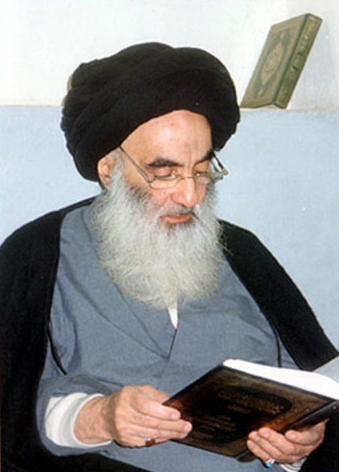
From the rulings of Grand Ayatullah Sayed Ali Hussaini Al-Seestani

Here are some rules in brief concerning the dying person, washing of the corpse and its shrouding, and burial procedure.1

Before Death
  1. It’s a matter of obligatory precaution that one should move the dying person in the direction of the qiblah during the last moments of his life. This is to be done by placing him on his back with his feet pointing towards the qiblah as though if he sits up, his face would be facing in that direction.
    It is recommended to read and ask the dying person to repeat the testament of belief (shahãda) concerning the Oneness of God and the faith in Prophet Muhammad (s.a.w.) and the Imams (a.s.).
  2. It is recommended to close the eyes of the dead person, their mouth, stretch their arms along their sides, straighten their legs, cover the body with a sheet of cloth, recite the Qur’ãn, and light up the room in which they lived. It is disliked to leave the corpse alone.
Ablution (Ghusl) for the Corpse
  1. After getting rid of the impure (najis) elements that are on the body of the dead person (e.g., blood, semen, etc.), the corpse has to be given three ablutions as follows:
    1. First wash it with sidr water. That is, water to which a little of sidr has been added.2
    2. The second wash is with camphour water. That is, water to which a little bit of camphour has been added.
    3. The third wash is with pure water.


    If sidr is not available, then it is precautionarily obligatory to wash the corpse with pure water instead. Similarly, if camphour is not available, it is precautionarily obligatory to wash it with pure water instead. Then it should be washed the third time with pure water. In such a case, after the three washings, one tayammum should be performed on the corpse.
  2. It is necessary that the ablution given to the corpse be of the tartibi kind: that is, the body should be washed in proper sequence with the head and the neck first, then the right side of the body, and then the left side.
  3. The person washing the corpse must be of the same gender as the dead person. So, a male should wash a male corpse, and a female should wash a female corpse. However, husband and wife are allowed to perform ablution to one another; although it is better that the washing be done with the body covered with a sheet of cloth.
    If a person of the same gender is not available, then, based on obligatory precaution, those of the opposite gender who are mahram to the deceased can perform it. Mahram means those relations with whom marriage is forbidden because of blood relationship or nursing (suckling) relationship or marriage, like brother and sister [or son-in-law and mother-in-law]. However, it is better that the washing be done with the body covered with a sheet of cloth. Unity of gender is not required when giving ablution to a corpse of a child that had not reached the age of discerning the right and wrong.3
  4. Based on obligatory precaution, the person performing ablution must be a mu’min. If neither a mu’min of the same gender as the deceased is available nor a mahram [even of the opposite gender], it is permissible that a Muslim of the same gender can wash the deceased.
    If even a Muslim is not available, then the deceased can be washed by an Ahlul Kitãb person [that is, a Jew, a Christian or a Zoroastrian] of the same gender with the condition that the person should first wash himself and then perform ablution to the corpse. If even an Ahlul Kitab person of the same gender is not available, the duty of performing ablution to the corpse is lifted, and the deceased should be buried without it.
Tahnít and Shrouding
  1. After giving the ablution, it is wãjib to do tahnít. Tahnít means to rub camphour powder (which has maintained its fragrance) on the seven parts of the body that touch the ground in a posture ofsajdah: the forehead, the palms, the knees, and feet toes. It is preferable to start tahnít with the forehead and end with the palms.
  2. After tahnít, the deceased has to be shrouded in three pieces of cloth as follows:
    1. The mi’zar: a piece of cloth [like an apron] that must cover the body between the navel and the knees, based on obligatory precaution.
    2. The qamís: a piece of cloth [like a shirt] that must cover the body from the shoulders to mid shank, based on obligatory precaution.
    3. The izãr: a large sheet of cloth that must cover the entire body. Based on obligatory precaution, it must be long and wide enough so that the top and the bottom parts could be tied [with a string], and the front parts overlap.

The Prayer
  1. It is obligatory to say prayer over a deceased Muslim’s body of six years and over. Based on obligatory precaution, prayer should also be said over the body of a child who could do the salãt even if he or she had not yet reached the age of six.
  2. The way to conduct prayer on the deceased:
    The person praying should recite five takbírs (say “Allãhu Akbar”). However, it is preferable that after each takbír he says the following:
    After the first takbir, he should say the shahãdatayn (declaration of faith in God and Prophet Muhammad).
    After the second takbír, he should say the salawãt on Prophet Muhammad (s.a.w.) and his progeny (a.s.).
    After the third takbír, he should say a prayer for the believing men and women.
    After the fourth takbír, he should say a prayer for the deceased.
    He should say the fifth takbír and end the salãt.

Burial
  1. It is necessary to bury the deceased after the salãt. Burial is intended to protect the body from wild animals and its smell is contained within so that no one is annoyed by it. The body should be placed on its right side with the face towards the qiblah.
  2. It is not permissible to bury a deceased Muslim in the graveyard of non-Muslims, except if a section of that graveyard is specifically reserved for Muslims. Similarly, no non-Muslim can be buried in the graveyard of Muslims.
  3. When it is neither possible to get a grave for a deceased Muslim in the graveyard of Muslims, nor transfer the body to a Muslim country for burial in a Muslim graveyard, that deceased Muslim may be buried in the graveyard of non-Muslims.
  4. It has been narrated from the Prophet (s.a.w.) that he said, “No time comes upon the dead person more difficult than the first night [of burial]. Therefore have mercy on your dead ones by giving charity [on their behalf]. If one does not have anything [to give in charity], one of you should pray two rak‘ah for them: in the first rak‘ah, after al-Hamd, recite Ãyatu ’l-kursi; and in the second rak‘ah, afteral-Hamd, recite surah al-Qadr ten times. After salãm, say: ‘Allãh humma salli ‘alã Muhammadin wa Ãli Muhammad, wab‘ath thawãbahã ila qabri fulãn;’4 and name the deceased person [instead of fulãn].”5

1. For further details, see Sayyid as-Sistani, Minhaju 's-Saliheen, vol. 1, p. 95 ff.; as-Sistani, al-Masa'ilu 'l-Muntakhaba, p. 50 ff.
2. Translator's Note: Sidr is name of a lotus tree; "sidr water" means the water to which sidr leaves have been added.
3. Translator's Note: The age of discerning right and wrong (tamyiz) is different from the age of maturity (bulûgh). The latter is 9 for girls and 15 for boys but the former could be at five or six.
4. "O Allah, send Your blessings upon Muhammad and the Family of Muhammad, and send the reward of this prayer to the grave of x."
5. Sayyid as-Sistani, al-Masa'ilu 'l-Muntakhaba, p. 63.

Friday, 5 April 2013

Lesson 1; Death part 4 & last 5


Those A’mal which prove beneficial during death and eases it’s tribulations:

Reciting Surah-al-Yaseen, Surah-as-Saffat and the following supplication (du'a) eases the tribulation during death:

لا إلهَ إلاّ الله الحَليمُ الكَريمُ. لا إلهَ إلاّ الله العَلِيِّ العَظيمُ. سُبْحانَ اللهِ رَبِّ السَّمواتِ السَّبْعِ وَرَبِّ الأرَضينَ السَّبْعِ وَما فِيهِنَّ وَما بَيْنَهُنَّ وَما فَوقَهُنَّ وَما تَحتَهُنَّ وَهوَ رَبُّ العَرشِ العَظيمِ وَالحَمدُ للهِ رَبِ العالَمينَ.

Shaikh Sadooq narrates from Imam Ja'far-as-Sadiq (A.S.) that he said, “For the person who fasts on the last day of the month of Rajab, Allah will save him from the after effects of death”. Fasting on the 24th of Rajab carries great reward (Sawab). One of it's merits is that when the Angel of death comes to remove his spirit (Rooh), he comes in the form of a handsome youth carrying a bowl of the pure drink (Sharabe Tahoora) and offers him to drink. The dying person does so and dies in peace.
The Holy Prophet (S.A.W.S.) says that if a person recites four unit (Rak'at) Namaz on the night of 7th Rajab in a manner that in each unit (Rak'at) after Surah-al-Hamd recites thrice Surah-at-Tawheed, once Surah-al-Falaq, and once Surah-an-Naas. After finishing the Namaz, sends Salawat on Us and recites ten times Tabeehate Arba.

سُبْحانَ اللهِ وَالحَمدُ للهِ وَلا إلهَ إلاّ اللهُ واللهُ أكْبَرُ

Almighty Allah will offer him shelter under the Throne (Arsh), and give him reward of a person fasting in the month of Ramazan. Till the time he finishes the prayers, the Angels pray for his forgiveness. Allah will ease the pangs of death on him, and save him from the squeeze in the grave (Fishare Qabr). He will not die until he sees his place in Paradise, and will be safe from the hardships of Resurrection (Qayamat).
Shaikh Kaf'ami quotes from the Holy Prophet (S.A.W.S.), that he said that a person who recites the following supplication (Du'a) 10 times daily, Allah ill forgive four thousand major sins (Gunahane Kabeera) of his, offer him refuge from one lac calamities at the time of death, the squeeze in the grave (Fishare Qabr) & Qayamat. Allah will also save him from satan (shaitaan) and his army, will pay off his dues and save him from troubles and anxieties.

أعْدَدْتُ لِكُلِّ هَولٍ لا إلهَ إلاّ اللهُ وَلِكُلِّ غَمٍّ وَهَمٍّ ما شاءَ اللهُ وَلِكُلِّ نِعْمَةٍ اَلحَمْدُ للهِ وَلِكُلِّ رَخاءٍ الشُّكرِ للهِ وَلِكُلِّ اُعْجُوبَةٍ سُبْحانَ اللهِ وَلِكُلِّ ذَنْبٍ اَسْتَغْفِرُ اللهَ وَلِكُلِّ مُصيبَةٍ إنّا للهِ وإنّا إلَيْهِ رّاجِعونَ وَلِكُلِّ ضَيْقٍ حَسْبِيَ اللهُ وَلِكُلِّ قَضاءٍ وَقَدَرٍ تَوَكَّلْتُ عَلى اللهِ وَلِكُلِّ عَدُوٍّ اِعْتَصَمْتُ باللهِ وَلِكُلِّ طاعَةٍ وَمَعْصِيَةٍ لا حَولَ ولا قُوَّةَ إلاّ بِاللهِ العَلِيِّ العَظيمِ.

The recitation of the following du'a seventy times carries great reward. The least of which is that he will be given glad tidings that he will enter Paradise

يا أسمَعَ السَّامِعينَ وَيا أبْصَرَ المُبْصِرينَ ويا أسْرَعَ الحاسِبينَ وَيا أحْكَمَ الحاكِمينَ

Shaikh Kulaini relates from Imam Ja'far-as-Sadiq (A.S.) that he said that the one who recites Surah-az-Zilzal in the Supererogatory Prayers (Nafela), Allah will save him from earthquake, lightening and the calamities of the land and sky. And during death He will send this Surah in the form of a handsome youth who will sit besides him and request the Angel of death (Malekul Maut to remove his spirit with ease.


Turning away from the Right path during death.

It means that a person should turn away from the Right Path (Sirat-al-Mustaqeem) during death. At the time of death satan (shaitaan) comes to the dying man adn tries his best to deceive him and puts him in doubt, so as to turn him away from faith (Eeman). Fakhr Muhaqqeqeen says that, “A person who wishes to remain safe from the mischief of shaitaan at the time of death should preserve five proofs regarding the fundamental principals of faith (Usoole Deen) in his mind, and present it to Allah's custody, so that during death these may come as a handy against shaitaan's deceit. Then he should recite the following supplication (du'a):

اَللّهُمَّ يا أرْحَمَ الرّاحِمينَ إنّي قّدْ أوْدَعْتُكَ يَقينِي هذا وَثَباتَ دِيني وأنْتَ مُسْتَودع وقَدْ أمَرْتَنا بِحِفظِ الوَدائِعَ فَرُدَّهُ عَلَيَّ وَقْتَ حُضُورِ 
مَوْتي.

Fakhrul Muhaqqeqeen also says that those who wish to reamin safe from shaitaan's mischief of abandoning faith during death, should recite dua'e Adeelah with a pure mind and heart. (Du'ae Adeelah is found in all the renowned books of du'as, and also in the first volume of Mafateehul Jinaan by the same author).
Shaikh Toosi relates from Mohammad b. Sulayman Daylami that I asked Imam Ja'far-as-Sadiq (A.S.) that, “Some of your faithful followers (Shi'ahs) say that faith (Eeman) is of two types: (1) Permanent & firmly established, and (2) One which has been given to us as a trust, and also can be ruined. Please give me a du'a by which my faith may also become permanent and first established.” Imam (A.S.) told him to recite the following du'a after every obligatory prayers (Wajib Namaz):

رَضِيتُ بِاللهِ رَبّاً وَبِمُحَمَّدٍ صَلّى اللهُ عَلَيهِ وآلِهِ نَبِيَّاً وبِالإسْلامِ دِيناً وبِالقُرآنِ كِتاباً وَبِالكَعْبَةِ قِبْلَةً وبِعلِيٍّ وَلِيّاً وإماماً وبِالحَسَنِ والحُسَينِ وعَلِيّ بنِ الحُسَينِ ومُحَمَّدِ بنِ عَليٍّ وجَعْفَرِ بنِ مُحَمَّدٍ وَمُوسى بْنِ جَعْفَرٍ وعَليِّ بْنِ مُوسى ومُحَمَّدِ بْنِ عليِّ وعَليِّ بْنِ مُحَمَّدٍ والحَسَنِ والحُجَّةِ بْنِ الحَسَنِ صَلَواتُ اللهِ عَلَيْهِمْ أئِمَّةً اللّهُمَّ إنّي رَضيتُ بَهِمْ أئِمّةً فارْضِني لَهُمْ إنَّكَ 
علي كُلِّ شَيءٍ قَدير.

Those acts which prove beneficial during death.

The best deed is to perform Prayers (Namaz) on time. It is related that there is no person in the east or the west on whom the sight of the Angel of death (Malekul Maut) does not fall at least five times during the time of Prayers. Whenever the time of death of that person comes, the Angel of death (Malekul Maut) recognizes him and helps him to recite Kalema and shuns away satan (shaitaan) from him. It is narrated that once Imam Ja'far-as-Sadiq (A.S.) wrote to a person: “Do you wish that you may face death while on the Right path? And do you wish that your spirit (Rooh) may be removed from your body while you be performing good deeds? Then hold Allah's orders dear to yourself and obey them, and do not waste the bounties offered by Him by being disobedient to Him, and do not take undue advantage of His Mercy, nor become arrogant. Honour those who follow Us and respect those who love Us”.
The recitation of Dua-e-Tamjeed (Du'a No. 11) of ‘Saheefae Kamelah’ is beneficial, so as to die while on the Right path and to be saved from turning away from it.
To recite the following supplication (dua) in the Namaz of sundays in the month of Zilqad:

رَبَّنا لا تُزِغْ قُلُوبَنا بَعْدَ إذْ هَدَيْتَنا وَهَبْ لَنا مِنْ لَدُنْكَ رَحْمَةً إنَّكَ أنْتَ الوَهّابُ

The other beneficial acts are: To always recite Tasbeehe Fatema (A.S.) (34 times Allaho Akbar, 33 times Alhamdo Lillah, and 33 times Sub-hanallah), to wear ar ring of Cornelian (Aqeeq, specially of red color), it is better if the following is engraved on it: “Mohammadun Nabiyyullahe wa Aliyyun Waliyyullahe”. To recite Surah-al-Mo'menoon every friday, to recite the following supplication (du'a) seven times after morning (Subh)
and evening (Maghrib) Prayers:

بِسْمِ اللهِ الرَّحْمنِ الرَّحيمِ لا حَوْلَ وَلا قُوَّةَ إلاّ بِاللهِ العَلِيِّ العَظيمِ

To recite 8 units (Rak'at) Namaz on the night of 22nd Rajab, in each unit (Rak'at) after Surah-al-Hamd recites 7 times Surah-at-Tawheed. After ending Namaz, recite 10 times ‘Salawat’, and 10 times ‘Istighfar’ (Astagferullah Rabbi wa atoobo Ilayh).
Sayyed ibne Tawoos quotes the Holy Prophet (S.A.W.S.) as saying, that if a person recites 4 units (Rak'ats) Namaz in the month of Sha'ban, such that in each unit (Rak'at) after Surah-al-Hamd recites 50 times Surah-at-Tawheed, then during death his spirit will be removed with ease, and his grave will become spacious, and on the day of Qayamat when he comes out of his grave, his face will be shining bright like a full moon and kalmae Shahadat will be on his lips”.
The following Incidents will prove helpful for further explanation:


Incident - 1

Fuzail bin Ayaz who was one of the great Sufi Saints, says that he had a pious and virtuous student. The student once fell ill, and when his death approached, Fuzail came to visit him and started reciting Surah-al-Yaseen. The student requested Fuzail to stop reciting it. Fuzail then requested him to recite the Kalema, but he refused to do so and said that he was sick of it (Allah's refuge . Fuzail was shocked and felt sad at the attitude of one of his pious students, he returned home and did not come out for some days. One night he dreamt that the same student was being dragged to the fire of hell by the Angels of wrath. Fuzail stopped them and inquired of his student as to why was he being treated in that manner, when he was always a pious and devout student of his. He asked him as to what was the reason behind his painful end. The student replied that he had three bad habits in him: (1) Slander, (Woe be on every slanderer & defamer) Surah-al-Humazah: 1), (2) Jealousy, (Verily jealousy destroys faith (Eeman) in the same manner as fire destroys wood. - Usoole Kafi), and (3) Creating mischief, (Cheating mischief is graver than murder) - (Surah-al-Baqarah: 217). The student also told Fuzail that he once committed an act which also proved harmful for his Hereafter. He said that once he had a disease, and the doctor had prescribed him to drink wine for it's cure. The doctor told him that if he did not do so he would never be cured. He did as the doctor said. Because of this and the other 3 bad habits his end was such painful, and he died in the state of shame.
For further explanation of the above narrative, I state below an incident quoted by Shaikh Kulaini, who quotes Abu Baseer as saying that, Once I was seated in the presence of Imam Ja'far-as-Sadiq (A.S.), when Umme Khalid binte Ma'badiyyah came and told the Imam (A.S.) that since she knew the prohibition of it's use, she had come to the Imam (A.S.) to take advice regarding it. Imam Sadiq (A.S.) asked her, “What stopped you from using it”? She said that being one of His devout followers, she wished to be saved from shame, and on the day of Qayamat if she be questioned about it she could reply that it's use (or prohibition) was ordered to her by the Imam (A.S.) himself. The Imam (A.S.) turned towards me and said, “O Abu Mohammad! (referred to Abu Baseer), do you pay heed to what this woman says”? Then Imam Sadiq (A.S.) answered, “By Allah I never give you permission to consume even a drop of it, for if you do so, you shall have to regret when your spirit reaches here”. and Imam (A.S.) pointed towards his neck and repeated the sentence thrice, and took the woman's assurance that she had understood it well.


Incident - 2

Shaikh Bahai states in his book ‘Kashkol’ that there was a person who had spent his entire life in pleasures and luxuries of this world. When he was about to die, the people gathered around him and requested him to recite the ‘Kalema’. But instead of the ‘Kalema’ the dying man said: Where is that woman who in a state of exhaustion came to me and asked me the way to the public bath (named Manjab). He said so because one day a virtuous and beautiful woman came out of her house to have bath in a famous bath house named ‘Manjab’. She forgot her way and was exhausted searching it. She saw this man standing near a door and asked him the way to it. He pointed towards his house and said that the same was the bath house named ‘Manjab’.As soon as the woman entered there in, the man locked the door and intended to have illicit physical relation with her. The virtuous woman sensed that there was no escape from his lustful fold, and hence pretended to be interested in him. She said that she was a state of uncleanliness and was proceeding for a bath. She told the man to go and get some scent for her so that she may perfume and adorn her self for him, and also to get something to eat as she was exhausted. The man was deceived by her words and went to the market to buy things. As soon as he stepped outside, the woman thanked Allah for preserving her chastity and ran away. When the man returned, he understood his mistake and regretted. Now when his end neared, her remembered this indecent act and instead of reciting the ‘Kalema’ said the above words.
The Incident is to be reflected upon that when the person was about to die, the sin (even though he had not committed it, but had intented) stopped him from reciting the ‘Kalema’. Shaikh Kulaini quotes Imam Ja'far-as-Sadiq (A.S.) as saying that, “One who does not pay even one Qeerat of Zakat due on him (Qeerat is equal to 21 dinars), will die the death of a jew or a christian”. The same tradition (hadees) is also said about the person who intentionally does not perform Haj even after being capable of doing so.


From Death till Grave

After the spirit (Rooh) is separated from the body, it lingers on the top for sometime. Thereafter the Spirit of the believer is taken to the Heavens,
while that of a non-believer below. When a believer's bier is being carried, he calls out: “Hasten me to my eternal destination”, while a non-believer calls out: “Do not make haste to bury me in my grave, making way for my chastisement”. During bath of the believer's dead body, the Angels ask him if he desires to return to the world back to his kith & kin, to which he replies that he does not intend to go back to the world of miseries and misfortune.
The Spirit of the dead remains present and witnesses the bath given to his body. It is also narrated that when the bath is being performed, the dead person feels as if he is being thrown from height, and the rough hands of the person performing the bath seems to be smiting him. Hence it is necessary that bath should be performed with gentle hands.
The Spirit hears the voices of the people who have come to attend his funeral. Hence it should be borne in mind that one should avoid talking during funeral. A woman in menses or nifaas (blood discharge after child birth), and a person in the state of pollution should avoid coming near the dead body, because it becomes the reason for the displeasure of the blessed Angels, who turn away in disgust. Such acts should be performed for the dead person which become the reason for Allah's blessings, viz. remembrance of Allah and Ahlulbait (A.S.), recitation of Qur'an etc.
It is also narrated that after the dead body is buried, the spirit returns back and maintains relation with the body. When it sees that the people are returning back, knows that from now on it is destined to live alone. It becomes restless, and says: “Alas! Those children of mine whom I brought up with love and care have abandoned me, and now my only companions are my deeds (A'amal) which I performed while alive”. The first glad tidings which a believer receives is in the grave: “Oh you who believe! Allah has forgiven your sins and the sins of those who attended your funeral”.

Friday, 8 March 2013

Etiquette of Dressing & shoe-wear materials Part 3

For sandals and shoes, the best colour is yellow and next comes white. According to Imam Ali (a.s.) fine shoes keep the body free from germs and diseases. They also help in wazoo (ablution) and Namaz (prayers) as the shoes keep the feet free from dirt. According to Sarraf, when he went before Imam Ja'far-e-Sadiq (a.s.) while having white shoes on the Imam (a.s.) asked him if it was intentional and before Sarraf could answer, the Imam (a.s.) said that any person who buys a white shoe will get money from unknown sources before the shoe gets worn out. Saraf said, that hardly had he started wearing them, when he got hundred gold coins from a place which he could not even dream of.

Dua for leaving your home


Here are six Authentic hadīth on what we can say when we leave our house. Each du`ā’is different, so you can choose which one you would like to recite when you leave your house.


Supplication # 1

عَلِيُّ بْنُ إِبْرَاهِيمَ عَنْ أَبِيهِ عَنِ ابْنِ أَبِي عُمَيْرٍ عَنْ أَبِي أَيُّوبَ الْخَرَّازِ عَنْ أَبِي حَمْزَةَ قَالَ رَأَيْتُ أَبَا عَبْدِ اللَّهِ ع يُحَرِّكُ شَفَتَيْهِ حِينَ أَرَادَ أَنْ يَخْرُجَ وَ هُوَ قَائِمٌ عَلَى الْبَابِ فَقُلْتُ إِنِّي رَأَيْتُكَ تُحَرِّكُ شَفَتَيْكَ حِينَ خَرَجْتَ فَهَلْ قُلْتَ شَيْئاً قَالَ نَعَمْ إِنَّ الْإِنْسَانَ إِذَا خَرَجَ مِنْ مَنْزِلِهِ قَالَ حِينَ يُرِيدُ أَنْ يَخْرُجَ
From Abī Ḥamzah said, I saw Abā `Abd Allāh (عليه السلام) moving his lips when he wanted to leave and he was standing at the door. I said: ‘I see you moving your lips when you want to leave, did you say something?’ He (عليه السلام) said: ‘Yes, when a man leaves from his house he should say when he wants to leave:

«اللَّهُ أَكْبَرُ اللَّهُ أَكْبَرُ» ثَلَاثاً
«Allāhu Akbar Allāhu Akbar» - three (times)

«بِاللَّهِ أَخْرُجُ وَ بِاللَّهِ أَدْخُلُ وَ عَلَى اللَّهِ أَتَوَكَّلُ» ثَلَاثَ مَرَّاتٍ
«By Allāh I leave, and By Allāh I enter, and I (place my) trust in Allāh» - three times

«اللَّهُمَّ افْتَحْ لِي فِي وَجْهِي هَذَا بِخَيْرٍ وَ اخْتِمْ لِي بِخَيْرٍ وَ قِنِي شَرَّ كُلِّ دَابَّةٍ أَنْتَ آخِذٌ بِنَاصِيَتِهَا إِنَّ رَبِّي عَلَى صِرَاطٍ مُسْتَقِيمٍ»
«O Allāh, open my direction for me with this goodness, and seal this with goodness, and protect me from every evil beast that you take by your control. My lord is upon the right path»

لَمْ يَزَلْ فِي ضَمَانِ اللَّهِ عَزَّ وَ جَلَّ حَتَّى يَرُدَّهُ اللَّهُ إِلَى الْمَكَانِ الَّذِي كَانَ فِيهِ
He will be in the protection of Allāh (عَزَّ وَ جَلَّ) until Allāh returns him to his place (house) that which he was in (before)
Source:
1.     Al-Kulaynī, Al-Kāfī, ed. `Alī Akbar al-Ghaffārī, 8 vols., (Tehran: Dār al-Kutub al-Islāmiyyah, 3rd Edition, 1388 AH), vol. 2, pg. 540, ḥadīth # 1
Grading:
1.     Al-Majlisī said this hadeeth is Ḥasan Kal-Ṣaḥīḥ (Good like a Ṣaḥīḥ)à Mir’āt Al-`Uqūl, 26 vols., (Tehran: Dār al-Kutub al-Islāmiyyah, 1410 AH), vol. 12, pg. 319


Supplication # 2
مُحَمَّدُ بْنُ يَحْيَى عَنْ أَحْمَدَ بْنِ مُحَمَّدِ بْنِ عِيسَى عَنْ عَلِيِّ بْنِ الْحَكَمِ عَنْ مَالِكِ بْنِ عَطِيَّةَ عَنْ أَبِي حَمْزَةَ الثُّمَالِيِّ قَالَ أَتَيْتُ بَابَ عَلِيِّ بْنِ الْحُسَيْنِ ع فَوَافَقْتُهُ حِينَ خَرَجَ مِنَ الْبَابِ فَقَالَ
From Abī Ḥamzah al-Thumālī said, I came to the door of `Alī bin al-Ḥussayn (عليه السلام) to accept him (i.e. greet him), when he was leaving from the door he (عليه السلام) said:

«بِسْمِ اللَّهِ آمَنْتُ بِاللَّهِ وَ تَوَكَّلْتُ عَلَى اللَّهِ»
«In the name of Allāh, I belive in Allāh, and I (place my) trust in Allāh»
ثُمَّ قَالَ يَا أَبَا حَمْزَةَ إِنَّ الْعَبْدَ إِذَا خَرَجَ مِنْ مَنْزِلِهِ عَرَضَ لَهُ الشَّيْطَانُ فَإِذَا قَالَ بِسْمِ اللَّهِ قَالَ الْمَلَكَانِ كُفِيتَ فَإِذَا قَالَ آمَنْتُ بِاللَّهِ قَالا هُدِيتَ فَإِذَا قَالَ تَوَكَّلْتُ عَلَى اللَّهِ قَالا وُقِيتَ فَيَتَنَحَّى الشَّيْطَانُ فَيَقُولُ بَعْضُهُمْ لِبَعْضٍ كَيْفَ لَنَا بِمَنْ هُدِيَ وَ كُفِيَ وَ وُقِيَ قَالَ ثُمَّ قَالَ اللَّهُمَّ إِنَّ عِرْضِي لَكَ الْيَوْمَ ثُمَّ قَالَ يَا أَبَا حَمْزَةَ إِنْ تَرَكْتَ النَّاسَ لَمْ يَتْرُكُوكَ وَ إِنْ رَفَضْتَهُمْ لَمْ يَرْفُضُوكَ قُلْتُ فَمَا أَصْنَعُ قَالَ أَعْطِهِمْ مِنْ عِرْضِكَ لِيَوْمِ فَقْرِكَ وَ فَاقَتِكَ

He (عليه السلام) said: ‘O Abā Ḥamzah, When a servant leaves from his house shayṭan comes to him, and if he says: ‘In the name of Allāh’, two angels will say: ‘That is enough for you.’ And when he says: ‘I believe in Allāh’. They say: ‘You are guided’ And when he says ‘I trust Allāh’ They say: ‘You are protected’ then shayṭān gives upon you and says to some of them ‘What can we do to the one who is guided, sufficed and protected?’ He (the narrator) said, then he(عليه السلام) said: ‘O Allāh, my self-respect is with you today’ then He (عليه السلام) said: ‘O Abā Ḥamzah, if you (try) abandon the people, they will not abandon you, and if reject them, they will not reject you’ I said: ‘What can I do?’ he (عليه السلام) said: ‘Give them from your self-respect for today (when) you will be impoverished and needy’

Source:
1.     Al-Kulaynī, Al-Kāfī, ed. `Alī Akbar al-Ghaffārī, 8 vols., (Tehran: Dār al-Kutub al-Islāmiyyah, 3rd Edition, 1388 AH), vol. 2, pg. 541, ḥadīth # 2
Grading:
1.     Al-Majlisī said this hadeeth is Ṣaḥīḥ (Authentic) à Mir’āt Al-`Uqūl, 26 vols., (Tehran: Dār al-Kutub al-Islāmiyyah, 1410 AH), vol. 12, pg. 321


Supplication # 3
عِدَّةٌ مِنْ أَصْحَابِنَا عَنْ أَحْمَدَ بْنِ مُحَمَّدٍ عَنْ عُثْمَانَ بْنِ عِيسَى عَنْ أَبِي حَمْزَةَ قَالَ اسْتَأْذَنْتُ عَلَى أَبِي جَعْفَرٍ ع فَخَرَجَ إِلَيَّ وَ شَفَتَاهُ تَتَحَرَّكَانِ فَقُلْتُ لَهُ فَقَالَ أَ فَطَنْتَ لِذَلِكَ يَا ثُمَالِيُّ قُلْتُ نَعَمْ جُعِلْتُ فِدَاكَ قَالَ إِنِّي وَ اللَّهِ تَكَلَّمْتُ بِكَلَامٍ مَا تَكَلَّمَ بِهِ أَحَدٌ قَطُّ إِلَّا كَفَاهُ اللَّهُ مَا أَهَمَّهُ مِنْ أَمْرِ دُنْيَاهُ وَ آخِرَتِهِ قَالَ قُلْتُ لَهُ أَخْبِرْنِي بِهِ قَالَ نَعَمْ مَنْ قَالَ حِينَ يَخْرُجُ مِنْ مَنْزِلِهِ

From Abī Hamzah (عليه السلام) said: I took permission for Abī Ja`far (عليه السلام), and he came out to me, and his lips were moving. I asked (about it) to him,  so he (عليه السلام) said: ‘Did you notice that, O Thumālī?’ I said: Yes, may I be your ransom’ He (عليه السلام) said: ‘I, by Allāh, I say the words no one has ever spoke, except Allāh has sufficed him in what is important to him from the affairs of his world, and his hereafter’ He (al-Thumālī ) said, I said to him: ‘Inform me of it’ He (عليه السلام) said: ‘Yes, whoever when leaving from his home says:

«بِسْمِ اللَّهِ حَسْبِيَ اللَّهُ تَوَكَّلْتُ عَلَى اللَّهِ اللَّهُمَّ إِنِّي أَسْأَلُكَ خَيْرَ أُمُورِي كُلِّهَا وَ أَعُوذُ بِكَ مِنْ خِزْيِ الدُّنْيَا وَ عَذَابِ الْآخِرَةِ»
«In the name of Allāh, Allāh is enough for me, I (place my) trust in Allāh. O Allāh I ask you for you in all my affairs, and I seek refuge in you from humiliation of this world, and the punishment of the hereafter»

كَفَاهُ اللَّهُ مَا أَهَمَّهُ مِنْ أَمْرِ دُنْيَاهُ وَ آخِرَتِهِ
Allāh will be sufficient for him in what is important to him from the affairs of his world, and his hereafterSource:
1.     Al-Kulaynī, Al-Kāfī, ed. `Alī Akbar al-Ghaffārī, 8 vols., (Tehran: Dār al-Kutub al-Islāmiyyah, 3rd Edition, 1388 AH), vol. 2, pg. 541, ḥadīth # 3
Grading:
1.     Al-Majlisī said this hadeeth is Muwaththaq (Reliable) à Mir’āt Al-`Uqūl, 26 vols., (Tehran: Dār al-Kutub al-Islāmiyyah, 1410 AH), vol. 12, pg. 323


Supplication # 4
عَنْهُ عَنْ عَلِيِّ بْنِ الْحَكَمِ عَنْ عَاصِمِ بْنِ حُمَيْدٍ عَنْ أَبِي بَصِيرٍ عَنْ أَبِي جَعْفَرٍ ع قَالَ مَنْ قَالَ حِينَ يَخْرُجُ مِنْ بَابِ دَارِهِ
From Abī Baṣīr from Abī Ja`far (عليه السلام): ‘Whoever says when leaving from the door of his house:

«أَعُوذُ بِمَا عَاذَتْ بِهِ مَلَائِكَةُ اللَّهِ مِنْ شَرِّ هَذَا الْيَوْمِ الْجَدِيدِ الَّذِي إِذَا غَابَتْ شَمْسُهُ لَمْ تَعُدْ مِنْ شَرِّ نَفْسِي وَ مِنْ شَرِّ غَيْرِي وَ مِنْ شَرِّ الشَّيَاطِينِ وَ مِنْ شَرِّ مَنْ نَصَبَ لِأَوْلِيَاءِ اللَّهِ وَ مِنْ شَرِّ الْجِنِّ وَ الْإِنْسِ وَ مِنْ شَرِّ السِّبَاعِ وَ الْهَوَامِّ وَ مِنْ شَرِّ رُكُوبِ الْمَحَارِمِ كُلِّهَا أُجِيرُ نَفْسِي بِاللَّهِ مِنْ كُلِّ شَرٍّ»
«I seek refuge with what the Angels of Allāh seek refigure from the evil of this new day, which when His Sun disappears, it will not come back. (I seek protection) from the evil of myself, and from the evil of others, and from the evils of the shayāṭīn (pl. of shayṭān), and from the evil of whoever naṣb (hate) the walī of Allāh, and from the evil of the Jinn, and Man, and from the evil of the beasts, and reptiles, and from the evil of the composition of all the harām (thing). I employ myself with Allāh from every evil»

غَفَرَ اللَّهُ لَهُ وَ تَابَ عَلَيْهِ وَ كَفَاهُ الْهَمَّ وَ حَجَزَهُ عَنِ السُّوءِ وَ عَصَمَهُ مِنَ الشَّرِّ
Allāh will pardon him, and forgive him, and suffice him in what is important, and restrain him from badness and protect him from evil
Source:
1.     Al-Kulaynī, Al-Kāfī, ed. `Alī Akbar al-Ghaffārī, 8 vols., (Tehran: Dār al-Kutub al-Islāmiyyah, 3rd Edition, 1388 AH), vol. 2, pg. 541-542, ḥadīth # 4
Grading:
1.     Al-Majlisī said this hadeeth is Ṣaḥīḥ (Authentic) à Mir’āt Al-`Uqūl, 26 vols., (Tehran: Dār al-Kutub al-Islāmiyyah, 1410 AH), vol. 12, pg. 324


Supplication # 5
عَلِيُّ بْنُ إِبْرَاهِيمَ عَنْ أَبِيهِ عَنِ ابْنِ مَحْبُوبٍ عَنْ مُعَاوِيَةَ بْنِ عَمَّارٍ عَنْ أَبِي عَبْدِ اللَّهِ ع قَالَ إِذَا خَرَجْتَ مِنْ مَنْزِلِكَ فَقُلْ
From Mu`āwiyah bin `Ammār from Abī `Abd Allāh (عليه السلام) said: ‘When you leave from your home, then say:

«بِسْمِ اللَّهِ تَوَكَّلْتُ عَلَى اللَّهِ لَا حَوْلَ وَ لَا قُوَّةَ إِلَّا بِاللَّهِ اللَّهُمَّ إِنِّي أَسْأَلُكَ خَيْرَ مَا خَرَجْتُ لَهُ وَ أَعُوذُ بِكَ مِنْ شَرِّ مَا خَرَجْتُ لَهُ اللَّهُمَّ أَوْسِعْ عَلَيَّ مِنْ فَضْلِكَ وَ أَتْمِمْ عَلَيَّ نِعْمَتَكَ وَ اسْتَعْمِلْنِي فِي طَاعَتِكَ وَ اجْعَلْ رَغْبَتِي فِيمَا عِنْدَكَ وَ تَوَفَّنِي عَلَى مِلَّتِكَ وَ مِلَّةِ رَسُولِكَ ص»
«In the name of Allāh, I (place my) trust in Allāh, there is strength and no power except by Allāh. O Allāh, I ask you for good of what I come out, and I seek refuge in you from evil, and I have come out. O Allāh, expand for me from Your grace, and complete upon me your blessing, and apply me in obey You, and make me desire in what is from You, allow me to die upon Your religion, and the religion of Your Messenger (صلى الله عليه وآله وسلم)»
Source:
1.     Al-Kulaynī, Al-Kāfī, ed. `Alī Akbar al-Ghaffārī, 8 vols., (Tehran: Dār al-Kutub al-Islāmiyyah, 3rd Edition, 1388 AH), vol. 2, pg. 542, ḥadīth # 5
Grading:
1.     Al-Majlisī said this hadeeth is Ḥasan Kal-Ṣaḥīḥ (Good like a Ṣaḥīḥ) à Mir’āt Al-`Uqūl, 26 vols., (Tehran: Dār al-Kutub al-Islāmiyyah, 1410 AH), vol. 12, pg. 325


Supplication # 6
عَلِيُّ بْنُ إِبْرَاهِيمَ عَنْ أَبِيهِ عَنِ ابْنِ أَبِي عُمَيْرٍ عَنِ الْحَسَنِ بْنِ عَطِيَّةَ عَنْ عُمَرَ بْنِ يَزِيدَ قَالَ قَالَ أَبُو عَبْدِ اللَّهِ ع مَنْ قَرَأَ قُلْ هُوَ اللَّهُ أَحَدٌ حِينَ يَخْرُجُ مِنْ مَنْزِلِهِ عَشْرَ مَرَّاتٍ لَمْ يَزَلْ فِي حِفْظِ اللَّهِ عَزَّ وَ جَلَّ وَ كِلَاءَتِهِ حَتَّى يَرْجِعَ إِلَى مَنْزِلِهِ
`Umar bin Yazīd said, Abū `Abd Allāh (عليه السلام) said: ‘Whoever recites ‘Qul Huwa Allāhu Aḥad’ (Surah al-Ikhlāṣ) ten times when he leaves from his house, he will continue to be in the protection of Allāh (عَزَّ وَ جَلَّ) and in His custody until he returns to his house’
Source:
1.     Al-Kulaynī, Al-Kāfī, ed. `Alī Akbar al-Ghaffārī, 8 vols., (Tehran: Dār al-Kutub al-Islāmiyyah, 3rd Edition, 1388 AH), vol. 2, pg. 542, ḥadīth # 8
Grading:
1.     Al-Majlisī said this hadeeth is Ḥasan Kal-Ṣaḥīḥ (Good like a Ṣaḥīḥ) à Mir’āt Al-`Uqūl, 26 vols., (Tehran: Dār al-Kutub al-Islāmiyyah, 1410 AH), vol. 12, pg. 327

Thursday, 7 March 2013

Cook Tasting Food While Fasting


Here are four authentic Aḥādīth that allows for a cooking person who is fasting to taste the food they are making. There is an authentic ḥadīth[1] where the Imām (عليه السلام) denies a person from tasting the food, but scholars interpret that ḥadīth as it being makrūh (undesirable) to taste the food without a reason (i.e. to check for salt, etc.).


The ḥadīth regarding a mother chewing the food for her child, if she happens to swallow it, she will have to spit three times.[2]

عَلِيُّ بْنُ إِبْرَاهِيمَ عَنْ أَبِيهِ عَنِ ابْنِ أَبِي عُمَيْرٍ عَنْ حَمَّادٍ عَنِ الْحَلَبِيِّ عَنْ أَبِي عَبْدِ اللَّهِ ع أَنَّهُ سُئِلَ عَنِ الْمَرْأَةِ الصَّائِمَةِ تَطْبُخُ الْقِدْرَ فَتَذُوقُ الْمَرَقَةَ تَنْظُرُ إِلَيْهِ فَقَالَ لَا بَأْسَ قَالَ وَ سُئِلَ عَنِ الْمَرْأَةِ يَكُونُ لَهَا الصَّبِيُّ وَ هِيَ صَائِمَةٌ فَتَمْضَغُ الْخُبْزَ وَ تُطْعِمُهُ فَقَالَ لَا بَأْسَ وَ الطَّيْرَ إِنْ كَانَ لَهَا
From al-Ḥalabī from Abī `Abd Allāh that he was asked about a women cooking and she is fasting and she tastes the broth in the pot. He (عليه السلام) said: ‘No problem’. He (al-Ḥalabī) said that he (عليه السلام) was asked about a women who has a child, and she is fasting, can she chew up the bread and feed him (the child)? So he (عليه السلام) said: ‘No problem, (also is the case) for a bird she has’[3]


وَ عَنْهُ عَنِ ابْنِ أَبِي عُمَيْرٍ عَنْ حَمَّادِ بْنِ عُثْمَانَ قَالَ سَأَلَ ابْنُ أَبِي يَعْفُورٍ أَبَا عَبْدِ اللَّهِ ع- وَ أَنَا أَسْمَعُ عَنِ الصَّائِمِ يَصُبُّ الدَّوَاءَ فِي أُذُنِهِ قَالَ نَعَمْ وَ يَذُوقُ الْمَرَقَ وَ يَزُقُّ الْفَرْخَ
From Hammād b. `Uthmān said, Ibn Abī Ya`fūr asked Abā `Abd Allāh (عليه السلام), that I heard a fasting person can pour medicine in his hears. He (عليه السلام) said, ‘Yes, and he can taste broth and he can chew for fledgling’[4]


الْحُسَيْنُ بْنُ سَعِيدٍ عَنِ الْحَسَنِ بْنِ عَلِيِّ بْنِ فَضَّالٍ عَنْ عَبْدِ اللَّهِ بْنِ بُكَيْرٍ عَنْ مُحَمَّدِ بْنِ مُسْلِمٍ عَنْ أَبِي جَعْفَرٍ ع قَالَ لَا بَأْسَ أَنْ يَذُوقَ الرَّجُلُ الصَّائِمُ الْقِدْرَ
From Muḥammad b. Muslim from Abī Ja`far (عليه السلام) said, ‘There is no problem if a fasting person tastes (what is in) the pot’[5]


عَلِيُّ بْنُ جَعْفَرٍ عَنْ أَخِيهِ مُوسَى ع قَالَ سَأَلْتُهُ عَنِ الصَّائِمِ يَذُوقُ الشَّرَابَ وَ الطَّعَامَ يَجِدُ طَعْمَهُ فِي حَلْقِهِ قَالَ لَا يَفْعَلُ قُلْتُ فَإِنْ فَعَلَ فَمَا عَلَيْهِ قَالَ لَا شَيْ‏ءَ عَلَيْهِ وَ لَا يَعُودُ
`Alī b. Ja`far from his brother Mūsa (عليه السلام) said, ‘I asked him about a fasting person tasting the drink and food until he finds the food in his throat’. He (عليه السلام) said: ‘Do not do that’ I said: ‘And if he does (that), what is upon?’ He (عليه السلام) said: ‘There is nothing upon him, nor does he have to repeat (his fasts)’[6] 


[1] al-Kulaynī, al-Kāfī, vol. 4, pg. 115, ḥadīth # 4; al-Majlisī said this ḥadīth is Ṣaḥīḥ (Authentic)(See: al-Majlisī, Mir’āt al-`Uqūl, vol. 16, pg. 298):
عِدَّةٌ مِنْ أَصْحَابِنَا عَنْ أَحْمَدَ بْنِ مُحَمَّدٍ عَنِ الْحُسَيْنِ بْنِ سَعِيدٍ عَنْ عَلِيِّ بْنِ النُّعْمَانِ عَنْ سَعِيدٍ الْأَعْرَجِ قَالَ سَأَلْتُ أَبَا عَبْدِ اللَّهِ ع عَنِ الصَّائِمِ يَذُوقُ الشَّيْ‏ءَ وَ لَا يَبْلَعُهُ قَالَ لَا
From Sa`īd al-A`raj said, ‘I asked Abā `Abd Allāh about a fasting person who tastes something and does not swallow it?’ He (
عليه السلام) said: ‘No’
[2] This is based off of the ḥadīth narrated by al-Mufīd in his al-Muqni`ah, ch. 38, pg. 380
[3] al-Kulaynī, al-Kāfī, vol. 4, pg. 115, ḥadīth # 4; al-Majlisī said this ḥadīth is Ḥasan (Good) (See: al-Majlisī, Mir’āt al-`Uqūl, vol. 16, pg. 297)
[4] al-Ṭūsī, Tahdīb al-Aḥkām, vol. 4, pg. 311, ḥadīth # 9; al-Majlisī said this ḥadīth is Ṣaḥīḥ (Authentic) (See: al-Majlisī, Milādh al-Akhyār, vol. 7, pg. 139)
[5] al-Ṭūsī, Tahdīb al-Aḥkām, vol. 4, pg. 311, ḥadīth # 8; al-Majlisī said this ḥadīth is Kal-Ṣaḥīḥ (Like Authentic) (See: al-Majlisī, Milādh al-Akhyār, vol. 7, pg. 139)
[6] al-Ṭūsī, Tahdīb al-Aḥkām, vol. 4, pg. 325, ḥadīth # 72; al-Majlisī said this ḥadīth is Ṣaḥīḥ (Authentic) (See: al-Majlisī, Milādh al-Akhyār, vol. 7, pg. 162)

Bibliography


al-Kulaynī. al-Kāfī. Ed. `Alī Akbar al-Ghaffārī. 3rd. 8 vols. Tehran: Dār al-Kutub al-Islāmiyyah, 1388.
al-Majlisī. Milādh al-Akhyār. 1st. 16 vols. Qum: Maktabah Ayatollah al-Mar`ashī al-Najafī, 1406.
—. Mir’āt Al-`Uqūl. 26 vols. Tehran: Dār al-Kutub al-Islāmiyyah, 1410.
al-Mufīd. al-Muqni`ah. 1st ed. 1 vols. Qum: al-Mu’tamir al-`Ālamī lil-Alfiyyah al-Shaykh al-Mufīd, 1413.
al-Ṭūsī. Tahdhīb al-Aḥkām. 4th. 10 vols. Tehran: Dār al-Kutub al-Islāmiyyah, 1407.